Roaring Tiger Bible Sublimation Illustrations
As a brand designer who’s developed visual identities for over 40 local businesses—from oat milk cafés in Portland to hand-poured soy candle studios in Asheville—I recently evaluated Roaring Tiger Bible Sublimation for a real client project: a new line of scripture-inspired herbal teas sold at farmers’ markets and boutique gift shops. My goal wasn’t just aesthetic appeal—it was functional brand alignment. Here’s what stood out.
A First Impression That Speaks Before the Label Does
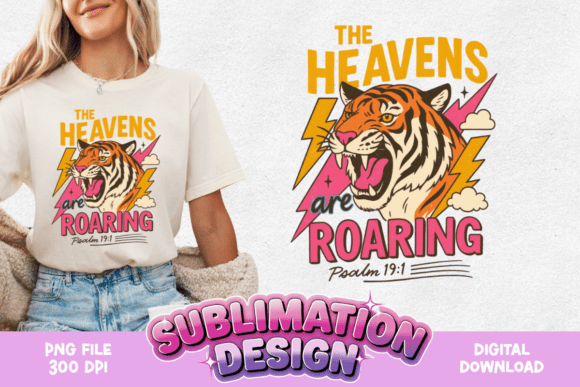
The Roaring Tiger Bible Sublimation illustration immediately conveys reverence with vitality—think bold linework, symbolic depth, and layered texture that feels both ancient and vibrantly contemporary. It’s not cartoonish, nor overly ornate. It lands somewhere between sacred art and modern graphic design asset: confident but approachable, detailed but scalable. For local business branding, it suggests a brand personality that’s grounded, intentional, and quietly powerful—ideal for faith-aligned wellness brands, artisanal apothecaries, or boutique bookshops launching seasonal collections.
It reads as handmade without sacrificing polish, spiritual without feeling dogmatic, and visually rich without overwhelming. That balance is rare—and invaluable when you’re designing for small batch producers who need packaging to communicate values *and* stand out on a crowded shelf.
Where This Illustration Earns Its Place in Real Business Design
In our tea project, we used Roaring Tiger Bible Sublimation across six key touchpoints—each revealing its versatility:
- Product labels: Centered on kraft paper tea tins, it became the hero element—drawing the eye while reinforcing brand meaning before a single word is read.
- Packaging accents: We cropped and repeated subtle sections as border motifs on inner sleeves and thank-you cards—creating rhythm and cohesion without repetition fatigue.
- Social media graphics: Paired with warm serif typography and soft neutral backgrounds, it elevated Instagram carousels from promotional posts to shareable brand moments.
- Printable inserts: As a watermark-style background on recipe cards and scripture reflection sheets, it added quiet gravitas without competing with text.
- Seasonal campaign visuals: For Advent, we adapted the tiger motif into a limited-edition tin wrap—its strength and symbolism resonated deeply with customers seeking meaningful, non-commercial holiday gifting.
- Business cards & hang tags: Used minimally (just the tiger’s eye or paw print), it became an instantly recognizable signature—supporting stronger product recognition and repeat purchase cues.
How It Strengthens Local Business Presentation
Small business branding lives or dies by first impressions—and Roaring Tiger Bible Sublimation delivers one with intention. On physical packaging, it improves shelf appeal by adding visual hierarchy: the tiger anchors attention, guiding the eye toward product name and flavor notes. In digital spaces, it builds customer trust—not through stock-photo polish, but through authentic, values-aligned visual language.
For handmade businesses especially, this illustration helps bridge perception gaps. Customers see “small batch” and “locally made”—but Roaring Tiger Bible Sublimation signals “thoughtfully designed,” “professionally presented,” and “intentionally rooted.” That nuance translates directly into perceived value, willingness to pay premium pricing, and social sharing behavior.
Best Fit: Where It Shines Most
This illustration works strongest where visual storytelling supports emotional connection—not just information delivery. Ideal uses include:
- Hero graphics for website banners and email headers
- Decorative brand elements on product mockups (especially ceramic mugs, linen tea bags, wooden boxes)
- Seasonal packaging—particularly for Lent, Easter, Advent, or spiritual wellness launches
- Boutique visuals: window decals, tote bag prints, greeting card suites
- Social media campaign graphics that lean into narrative, not just promotion
Careful Use: Contexts That Demand Restraint
Not every application benefits equally. Avoid using Roaring Tiger Bible Sublimation where clarity, minimalism, or strict regulatory compliance is paramount:
- Formal corporate branding (e.g., law firms or financial advisors)
- Very small product labels (<5 cm width) where detail blurs or loses meaning
- Crowded packaging layouts—especially those with dense ingredient lists or certifications
- Legal disclaimers or nutrition panels, where decoration competes with required text
- Low-contrast backgrounds (e.g., light gray on off-white) that mute its impact
- Luxury minimalist brands relying on negative space and restraint
Practical Brand Designer Notes You Can’t Skip
Before locking in Roaring Tiger Bible Sublimation for your next local business project, run these checks:
- Test it on real packaging mockups—not just digital previews—to assess scale, contrast, and legibility at actual size.
- Check black-and-white usage: does the silhouette hold up if printed in monochrome? (Critical for cost-effective labels.)
- Preview it beside your brand colors—does it harmonize with your palette or demand adjustment?
- Compare it against competitor packaging: does it differentiate—or accidentally echo another brand’s tone?
- Review PNG transparency: clean edges are essential for seamless integration into Canva templates or web design.
- If SVG or vector files are included, test editability—can you isolate elements for flexible reuse across marketing visuals?
- Test it beside common font pairings: does it complement serif, sans serif, script, handwritten, and display fonts—or overwhelm them?
- Confirm commercial licensing covers physical product sales, not just digital use—this is non-negotiable for small business branding and packaging design.
When sourced and applied intentionally, Roaring Tiger Bible Sublimation isn’t just another clipart download. It’s a strategic graphic design asset—one that can deepen brand identity, elevate product presentation, and help local businesses tell stories that resonate far beyond the shelf.